
Xi’an University of Technology’s School of Eco-Environmental & Chemical Engineering traces its origins to the Water Supply and Drainage Engineering program established in 1988 and the Applied Chemistry program established in 1997; in response to the national strategy for ecological civilization and high‑quality development, and to optimize the university’s disciplinary structure, promote interdisciplinary integration, precisely cultivate multidisciplinary talent, strengthen social service capacity, and support regional development, the disciplines of Environmental Science and Chemistry were merged and then the School of Eco-Environmental & Chemical Engineering was established in November 2025.
In 2011, the school was authorized to confer a doctoral degree program in Environmental Science and Engineering (first‑level discipline); it was also authorized to confer a master’s degree program in Chemical Engineering and Technology (first‑level discipline) in the same year, thereby establishing a complete “bachelor - master - doctoral” training system. At present, both the Environmental/Ecology and Chemistry disciplines have ranked within the top 1% globally in the ESI.
The school has over 80 faculties, including 43 with senior professional titles, 2 national‑level talents, and 5 provincial‑level talents; it has formed a high‑level research team with academic leaders as the core and young and mid‑career researchers as the main force, providing solid support for disciplinary development and talent cultivation.
The school comprises 2 departments (the Department of Municipal and Environmental Engineering and the Department of Applied Chemistry), 1 center (Shaanxi Provincial Demonstration Center for Chemistry Laboratory Teaching), and 1 base (Shaanxi Provincial Innovation and Talent Introduction Base for Disciplines of Green Low‑carbon Water Treatment and Circular Economy Technologies). It offers four majors for bachelor’s degree (Environmental Engineering; Water Supply and Drainage Science and Engineering; Applied Chemistry; Pharmaceutical Engineering), three of which (Environmental Engineering, Water Supply and Drainage Science and Engineering, and Applied Chemistry) are designated as national first‑class majors. Currently, the school has enrolled over 940 students, including more than 460 master’s and doctoral candidates.
The school conducts organized scientific research by leveraging national, provincial and ministerial research bases such as the National Key Laboratory for Arid‑Region Water Engineering and Ecological Environment, the Ministry of Education’s Key Laboratory for Northwest Water Resources and Environmental Ecology, and the Shaanxi Key Laboratory for Water Resources and Environment. Over the past five years, the school has undertaken more than 220 research projects, including 2 projects under the National Key R&D Program, 1 key project funded by the National Natural Science Foundation, 15 general/young scholar fund projects, 4 foreign expert projects supported by the Ministry of Human Resources and Social Security, with research funding exceeding RMB 80 million.
The school has carried out collaborative research and joint talent‑training programs with 25 internationally renowned universities in countries including the United States and Ireland. It has also initiated and founded the Academic Forum on Watershed Water Ecological Environment Protection (held four times) and the Northwest Youth Scholars Forum on Water Environment (held seven times). Since 2021, the school has organized, hosted, or co‑organized more than 20 academic conferences, striving to build a high‑end academic exchange platform in China for watershed water ecological environment protection.
Grounded in the nation’s priorities for ecological civilization and the major needs of global sustainable development, and characterized by a focus on ecological protection of arid‑region watersheds, the school concentrates on fields such as non‑point source pollution control and river‑lake system health, ecological effects and regulation of water engineering, water quality purification with carbon‑reduction and efficiency‑enhancement toward resource recovery, and biomass resource development and utilization, with the mission of resolving conflicts between regional development and ecological protection, promoting and seeking to establish a new four‑in‑one development paradigm integrating education, science and technology, talent, and service.
Environmental Science and Engineering
Municipal Engineering
Environmental Science and Engineering
Chemical Engineering and Technology
Municipal Engineering
Resources and Environment
Materials and Chemical Engineering
Applied Chemistry
Pharmaceutical Engineering
Water Supply and Drainage Science and Engineering
Environmental Engineering
Direction I Non-point Source Pollution Control and Health of River and Lake Water Systems
Direction II Ecological Environmental Effects and Regulation of Water Engineering
Direction III Water Quality Purification, Carbon Reduction, Efficiency Improvement and Resource Utilization
Direction IV Green Chemical Engineering and Resource Utilization of Biomass
1) Developed theories and technologies for urban non-point source pollution control to ensure water environment safety of water-deficient towns.
2) Revealed the ecological and environmental effects of water resources development in river basins, and innovated fundamental theories and key technologies for ecological and environmental protection in river basins
3) Developed key technologies for pollution reduction and carbon emission mitigation in non-power industries, supported the achievement of the “Blue Sky Protection + Dual Carbon” Goals
4) Developed key green and low-carbon technologies for point-source pollution control, supported the establishment of a full-process coordinated governance system for water quality purification
5) Developed key technologies for the multi-field coupled catalytic degradation of fluorinated antibiotic pollutants
6) Proposed key technologies for high-performance, safe, and stable aqueous and all-solid-state electrochemical energy storage systems, and developed novel rare-earth functional materials such as rare-earth halide/polymer solid electrolytes
7) Developed high heat-resistant insulating coatings and room-temperature self-crosslinking silicone-based polymer encapsulation materials, overcame packaging technology bottlenecks in electronic components and perovskite solar cells, and addressed “bottleneck” challenges of the industry
8) Developed innovative key technologies for solar-driven photocatalytic water treatment, contributing to green and low-carbon water environmental governance
9) Research on and application of advanced materials and natural resources
10) Design and synthesis of functional polymers for applications in lithium-ion batteries, brackish water desalination, electronic packaging, biomedical engineering, and advanced manufacturing.
11) Developed innovative strategies for the design of green functional materials and interfacial engineering in electrochemical energy storage systems
Establishment of the School
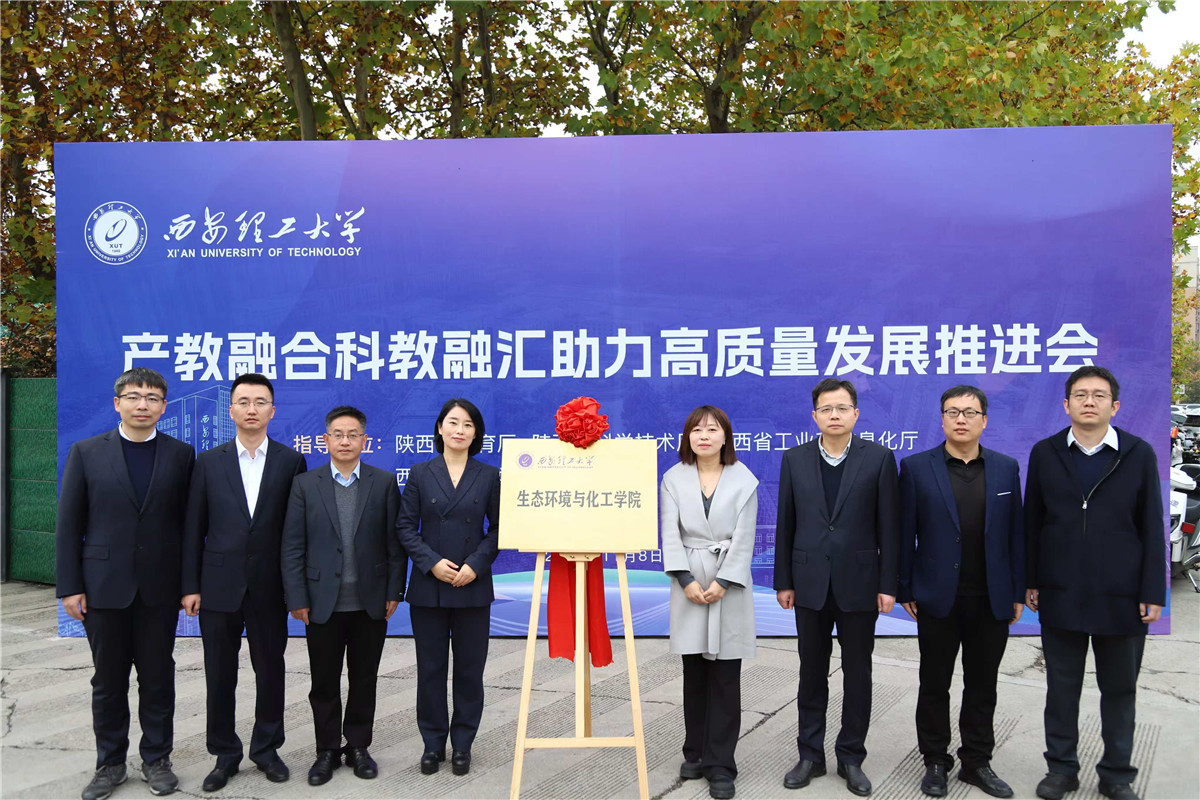
Establishment of the School
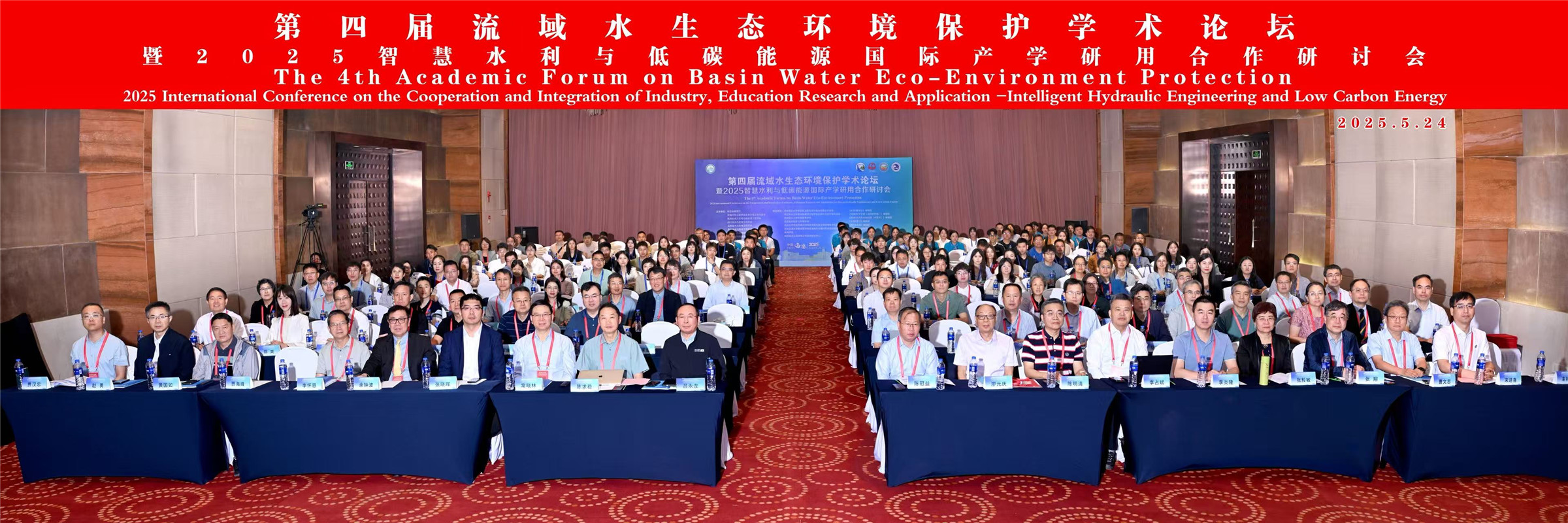
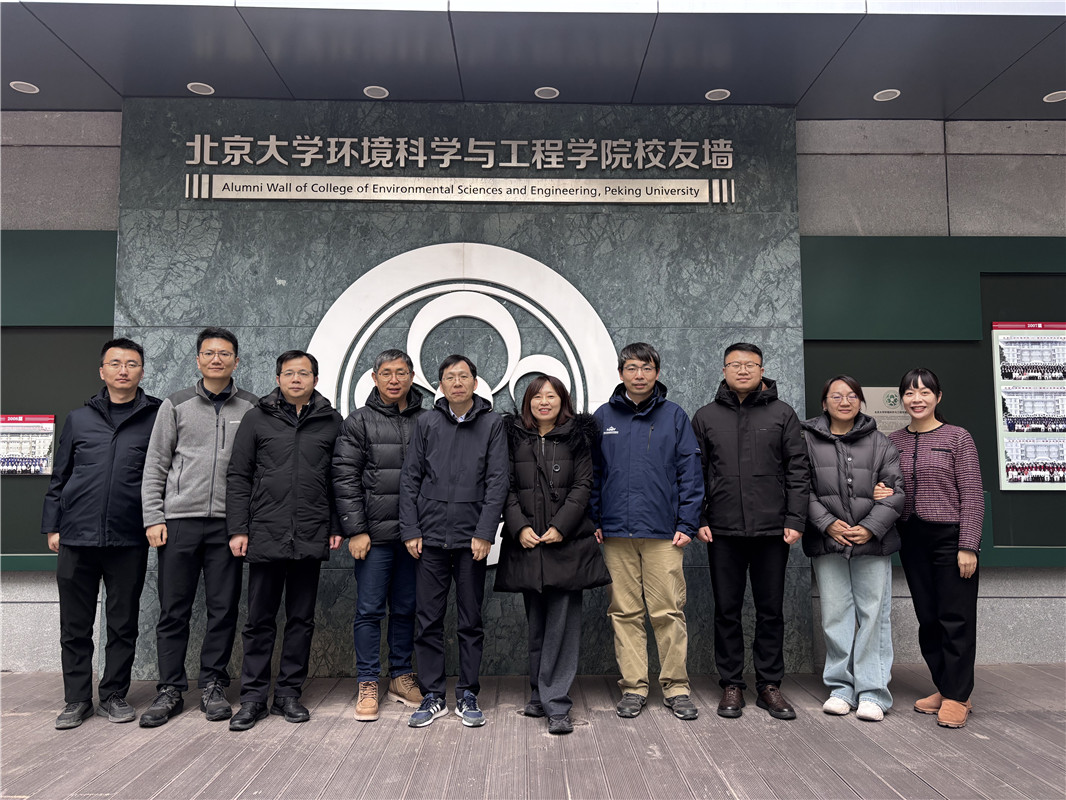
Academic Visiting & Study at Peking University
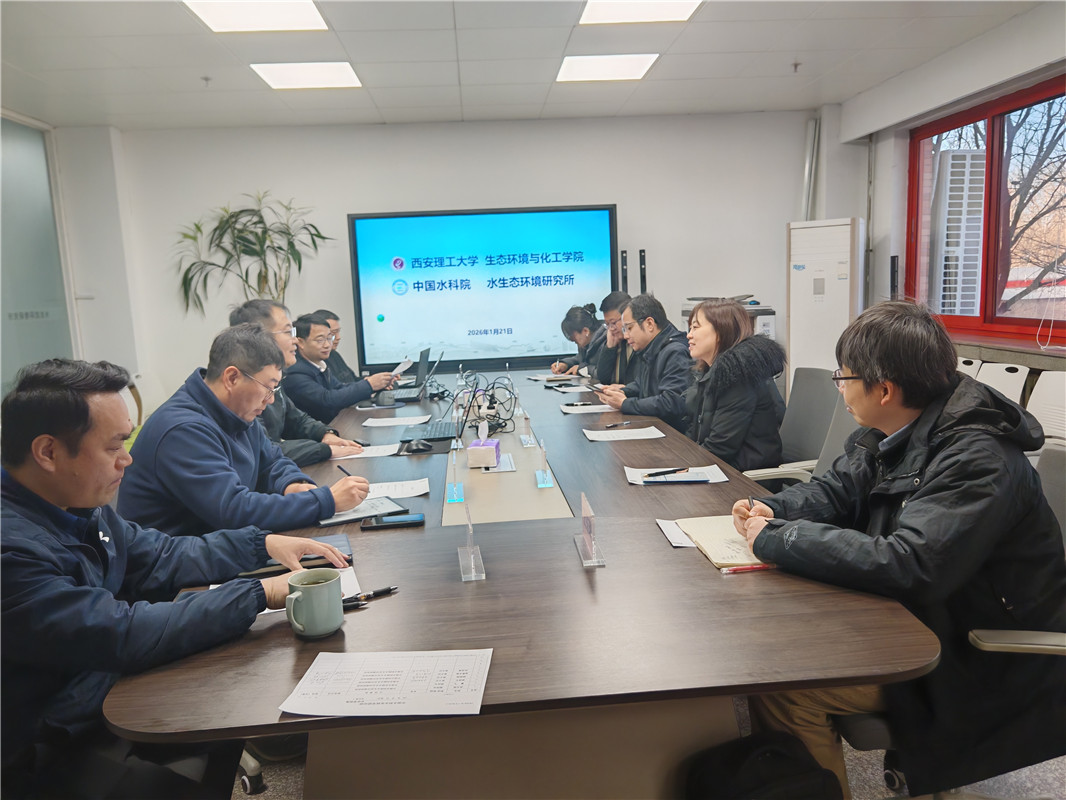
Academic Visiting & Study at China Institute of Water Resources and Hydropower Research
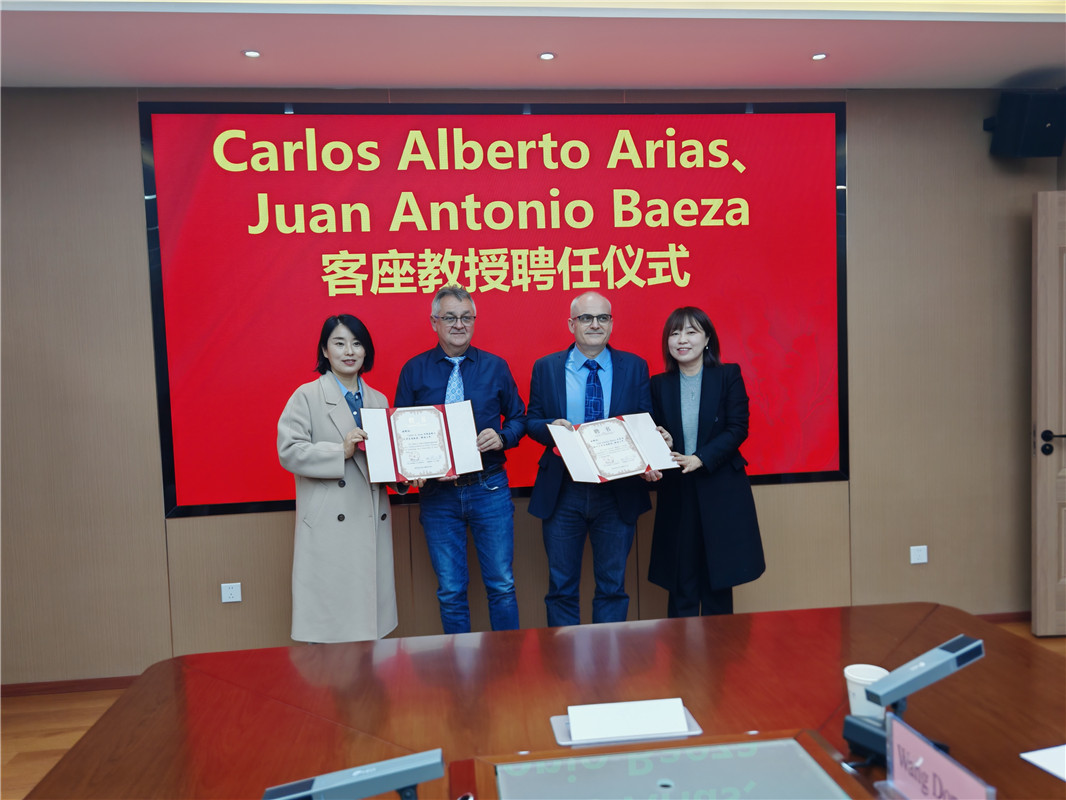
Appointment Ceremony of Foreign Guest Professor
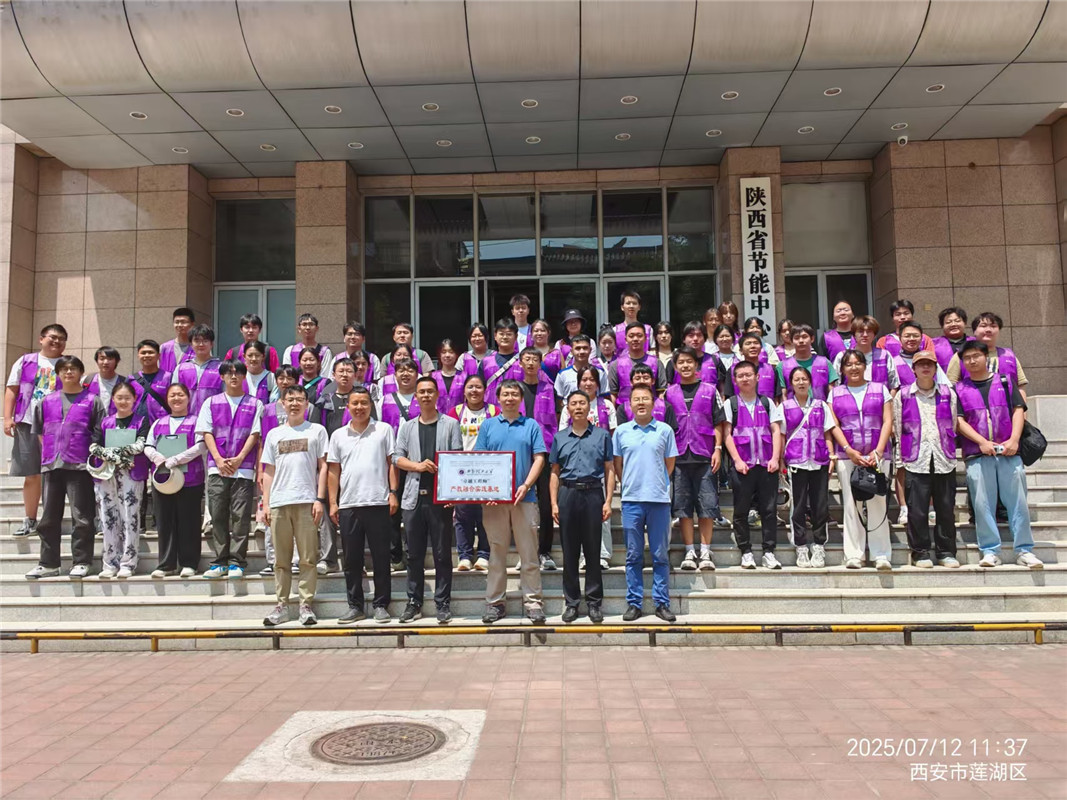
Student Internship & Practice
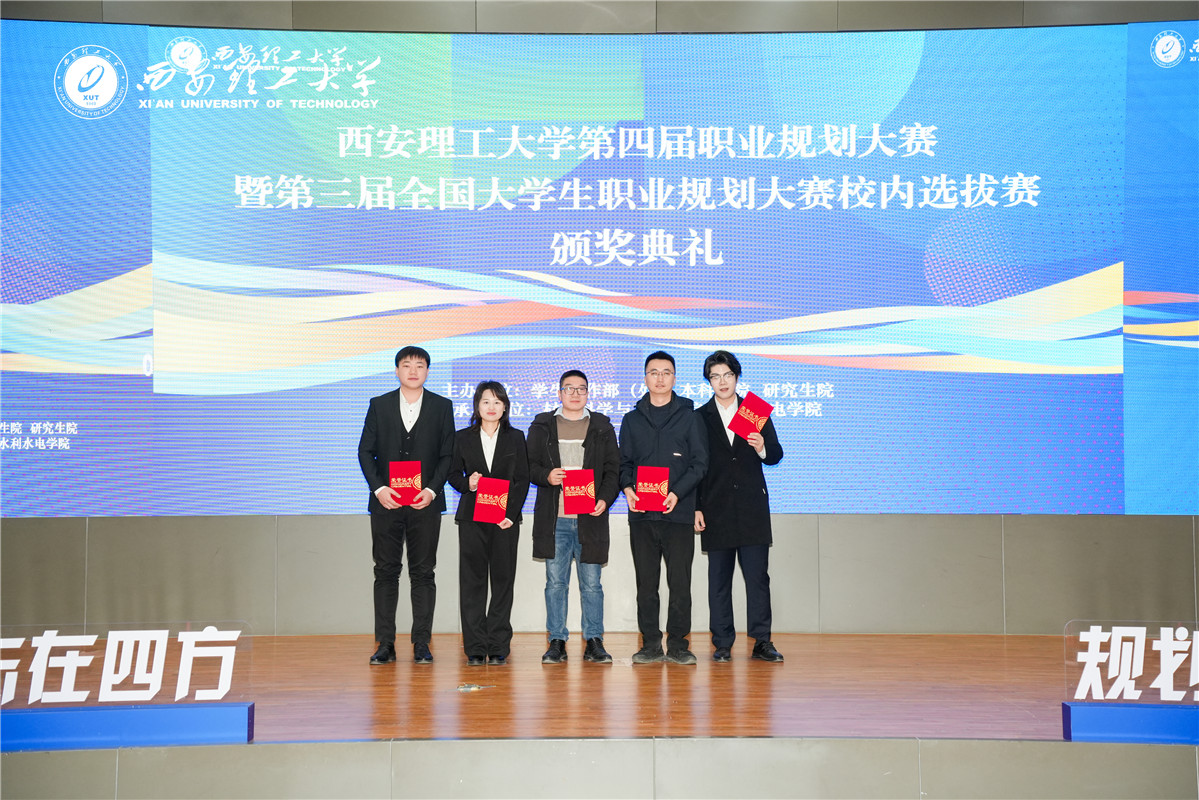
Students' Awards in the Career Planning Competition
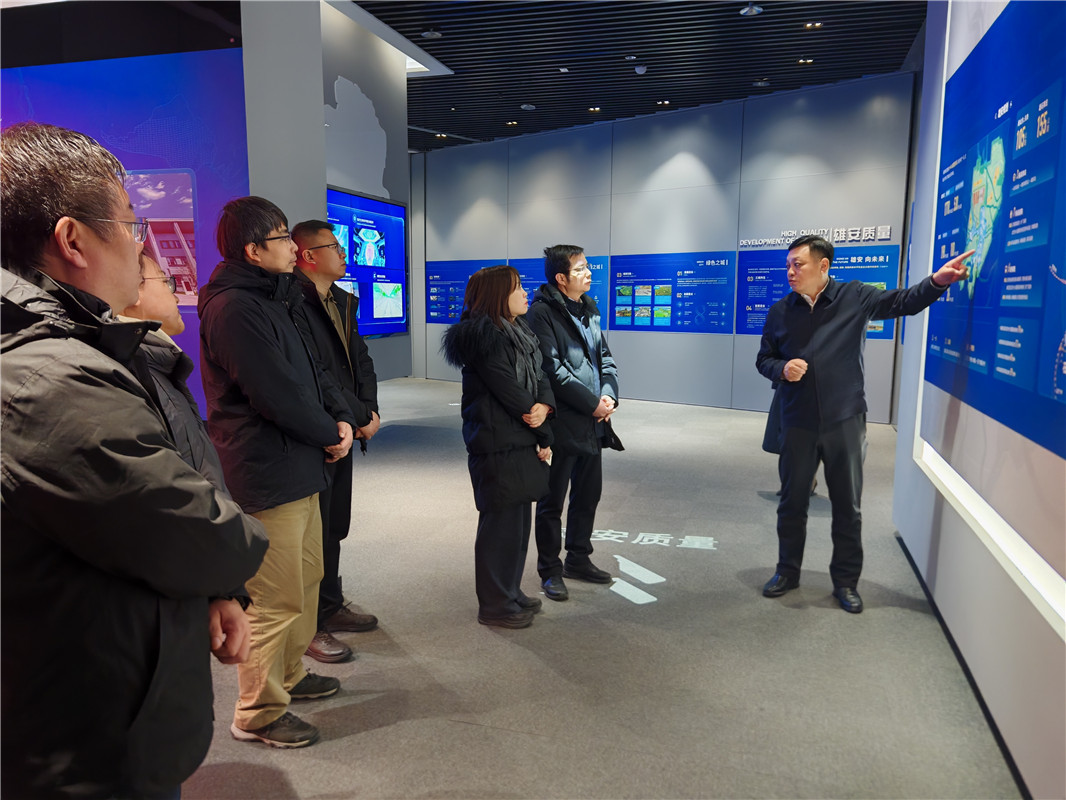
Exchange and Study at PowerChina Xiongan Construction & Development Co., Ltd.
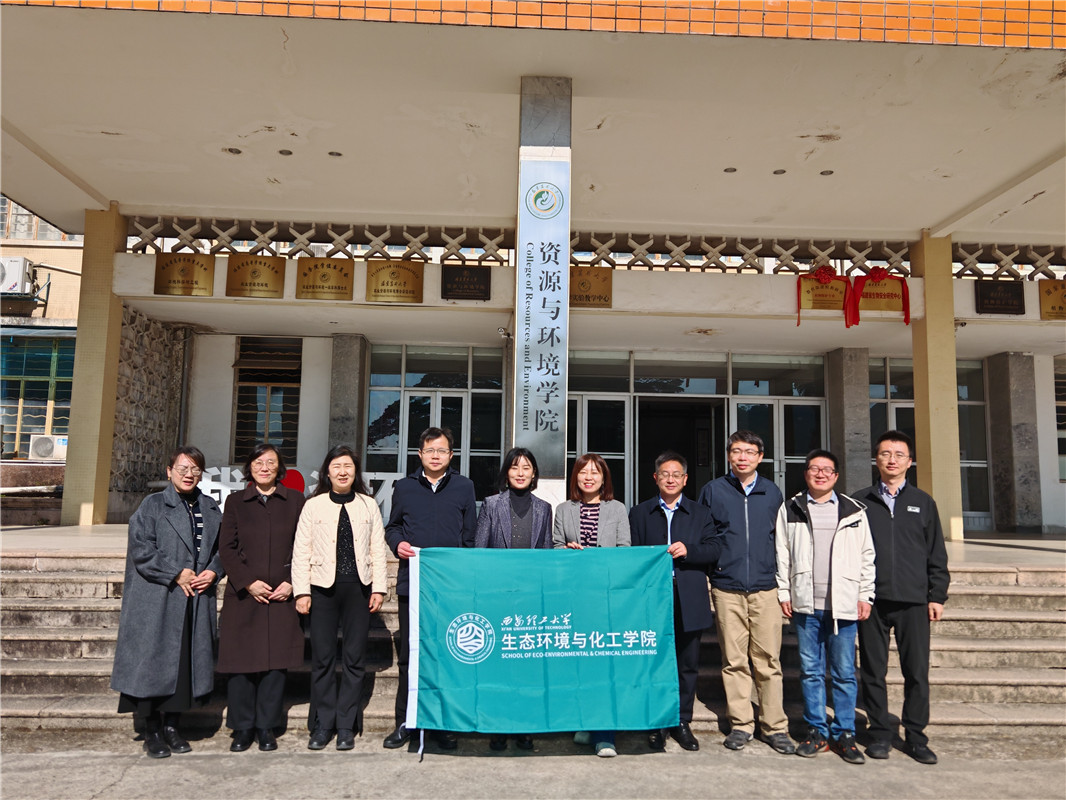
Academic Visiting & Study at Fujian Agriculture and Forestry University
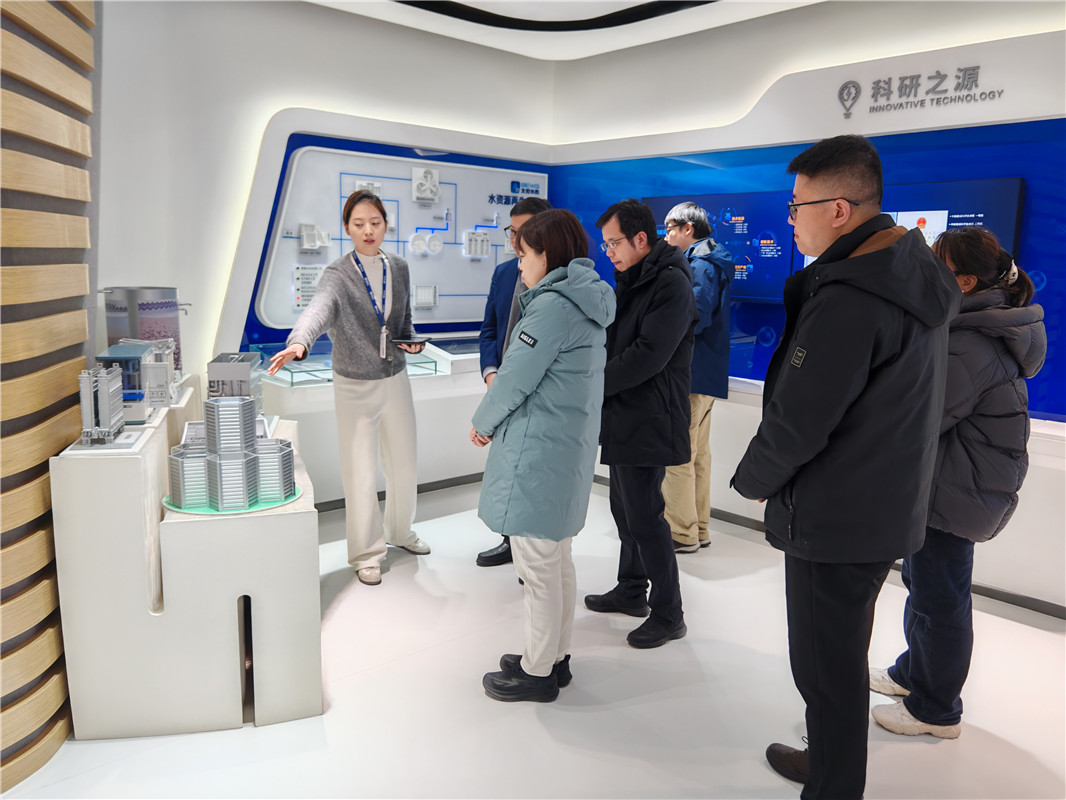
Exchange and Study at Beijing Enterprises Water Group Limited
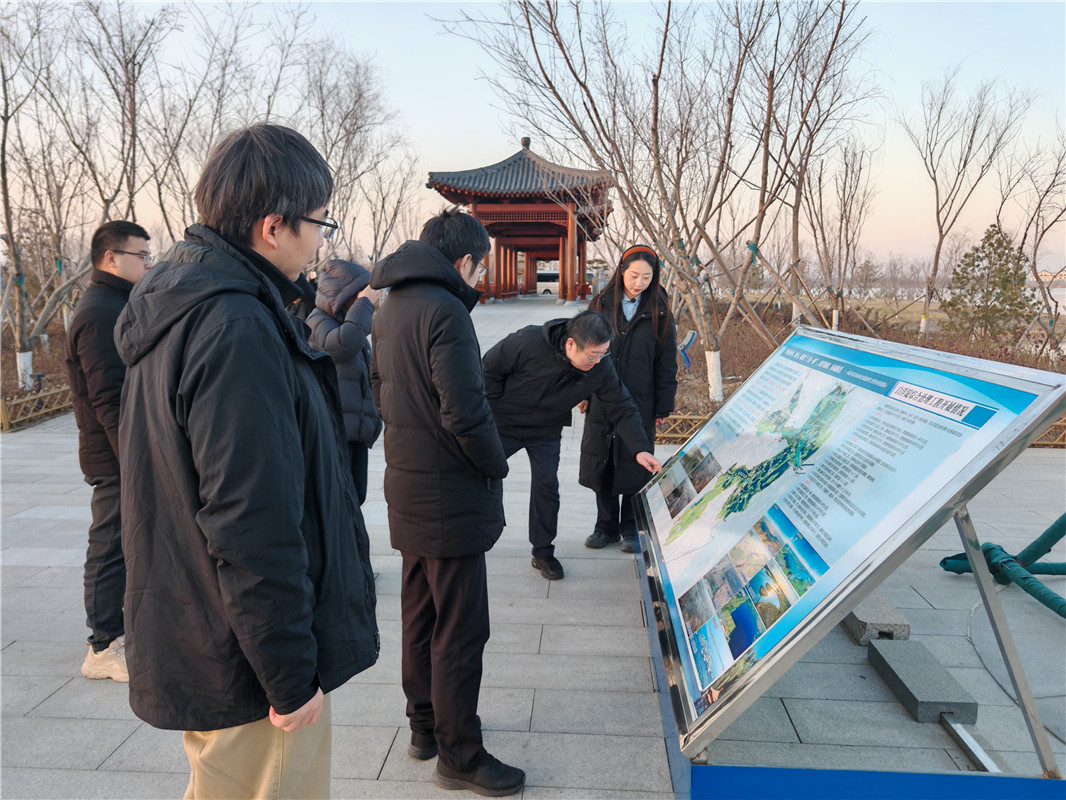
Research on Comprehensive Treatment of Baiyangdian Lake
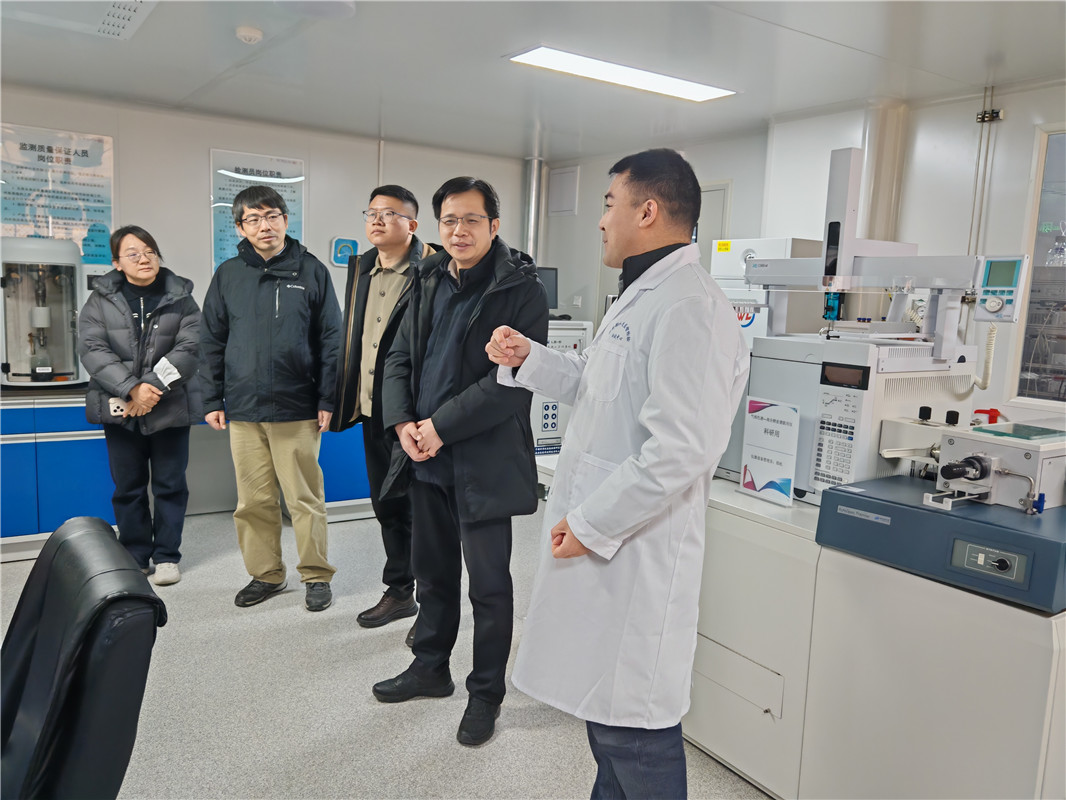
Exchange and Study on the Construction of Laboratories


029-82312951

hhxy@xaut.edu.cn