
On November 3, the China–Central and Eastern Europe Education Cooperation Resource Matchmaking Conference was successfully held at Xi’an University of Technology. The conference was jointly organized by the China Education Association for International Exchange and the Department of Education of Shaanxi Province, and hosted by Xi’an University of Technology. A total of 11 education representatives from six Central and Eastern European countries, including Bulgaria and Serbia, together with over 100 participants comprising university leaders, heads of international affairs offices, and administrative staff from more than 40 universities in Shaanxi Province—including Northwestern Polytechnical University, Xidian University, Chang’an University, and Northwest University—gathered to explore new pathways for China–Central and Eastern Europe educational cooperation.
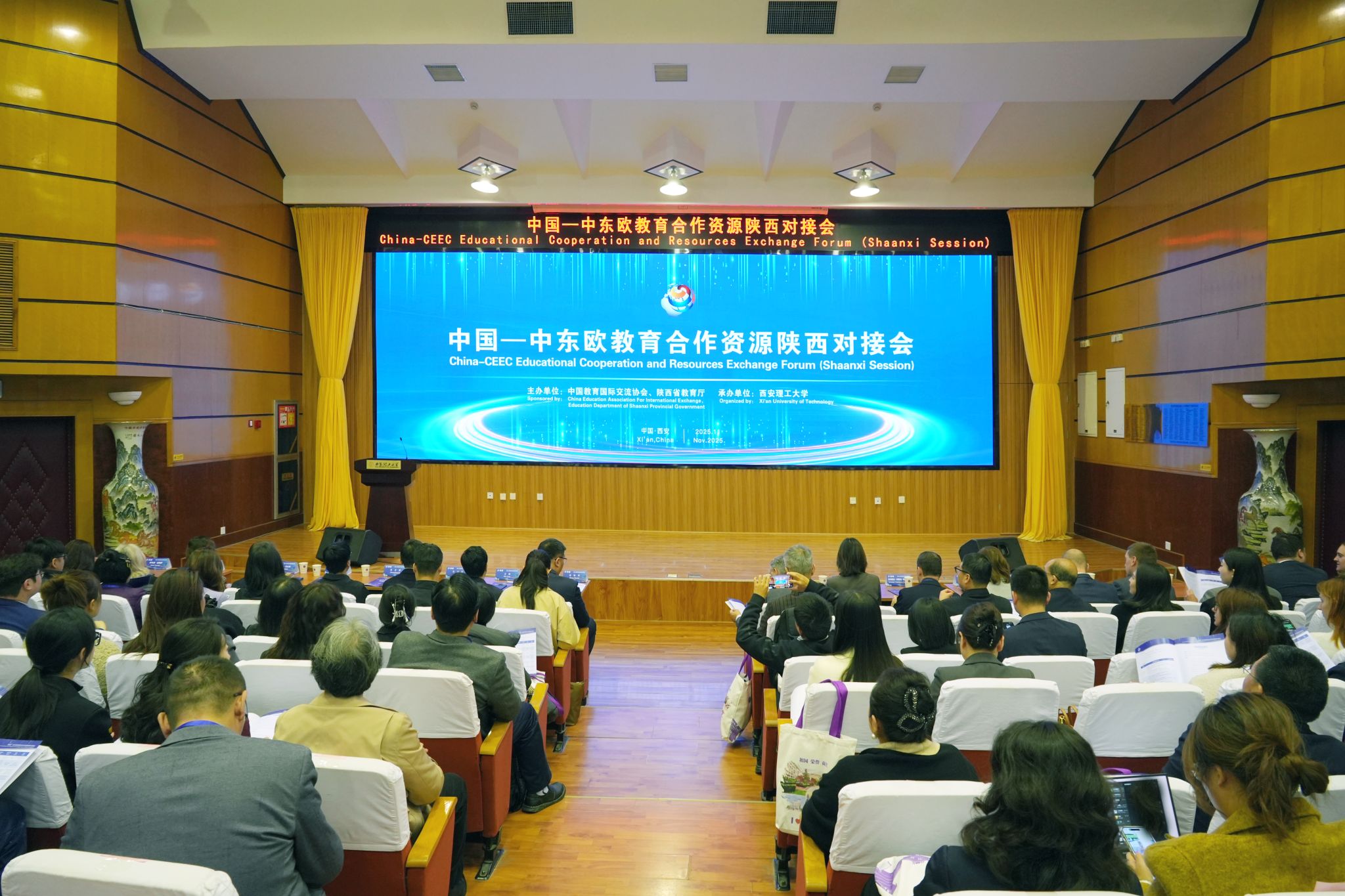
Zhang Junqing, Deputy Director of the Higher Education Cooperation Division of the China Education Association for International Exchange; Miroslav Karabaliev, Rector of Trakia University in Bulgaria; Wen Tong, Director of the Division of International Cooperation and Exchange of the Shaanxi Provincial Department of Education; and Zhang Xiaohui, Vice President of Xi’an University of Technology, attended the event and delivered keynote speeches. The conference was chaired by Yang Yuan, Director of the Office of International Cooperation and Exchange of Xi’an University of Technology.
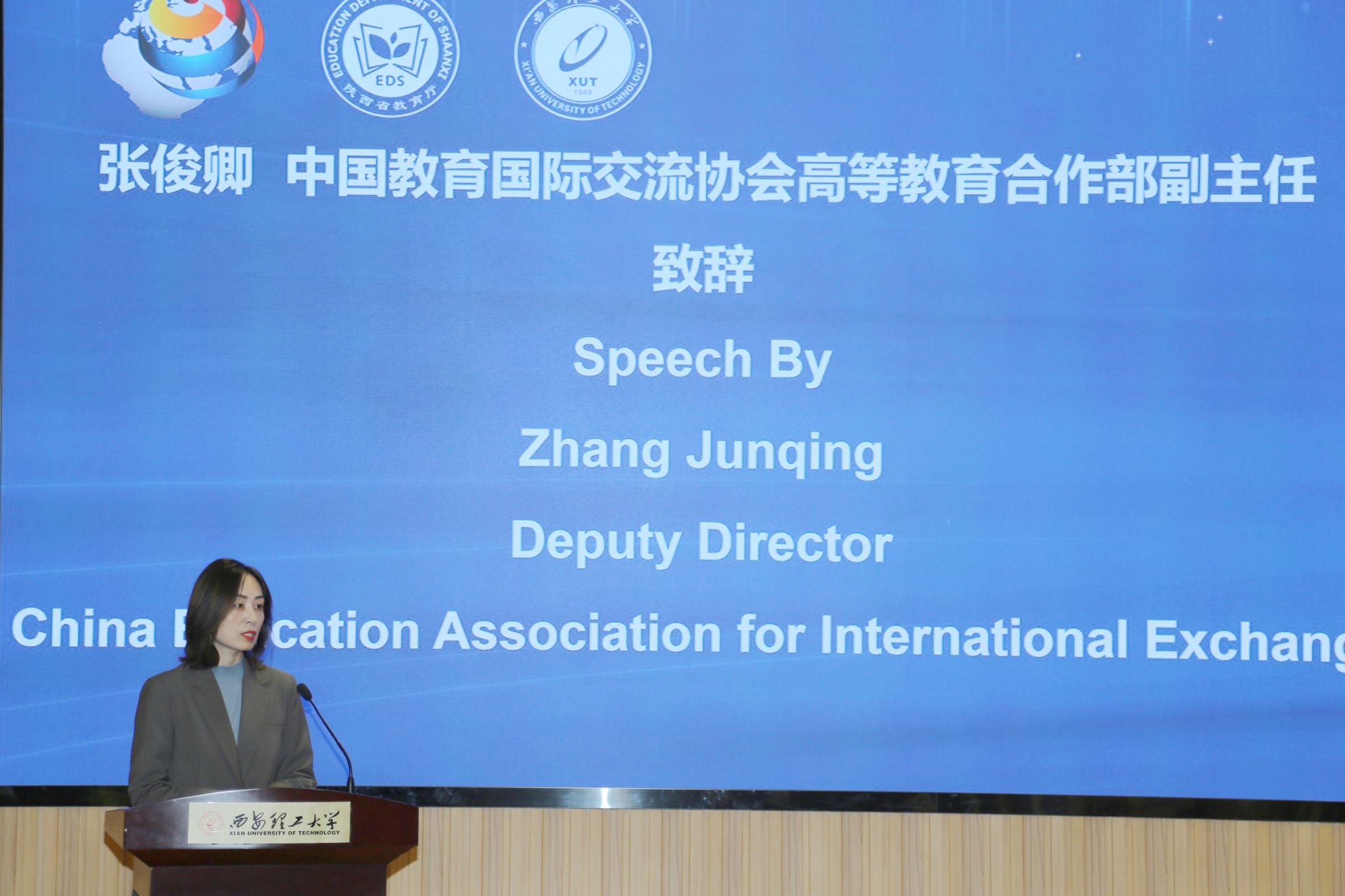
Zhang Junqing introduced the achievements of the China Education Association for International Exchange and the China–Central and Eastern European Countries Higher Education Institutions Consortium. He noted that the “2025 Visit to China Program for University Leaders from Central and Eastern European Countries,” held in Shaanxi, provided a direct dialogue platform for higher education institutions from both sides. He expressed the expectation that the matchmaking conference would facilitate precise alignment of cooperation needs and inject new educational momentum into the comprehensive strategic partnership between China and Central and Eastern European countries.
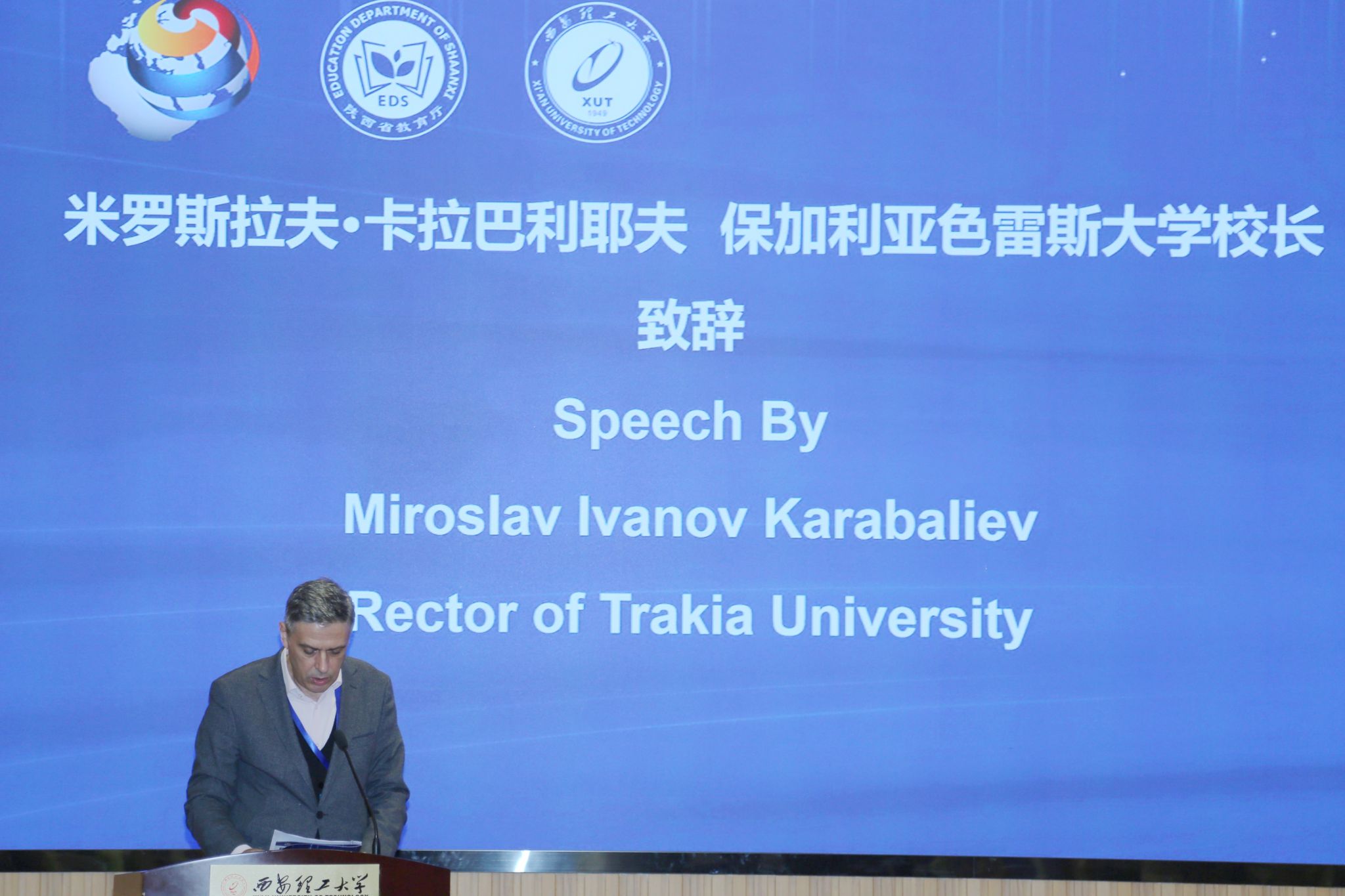
Miroslav Karabaliev, Rector of Trakia University in Bulgaria, emphasized that cooperation in education and science serves as a vital bridge connecting nations. He stated that the future shared by different countries depends not only on technological advancement but also on the establishment of trust, innovative spirit, and cooperative paradigms. He noted that the visiting delegation represented institutions from the Balkan region, which historically served as an important hub of the ancient Silk Road and now carries the mission of continuing the Silk Road spirit. He expressed hope that the conference would further deepen dialogue between Chinese and European civilizations, strengthen people-to-people connectivity, and jointly create a shared future.
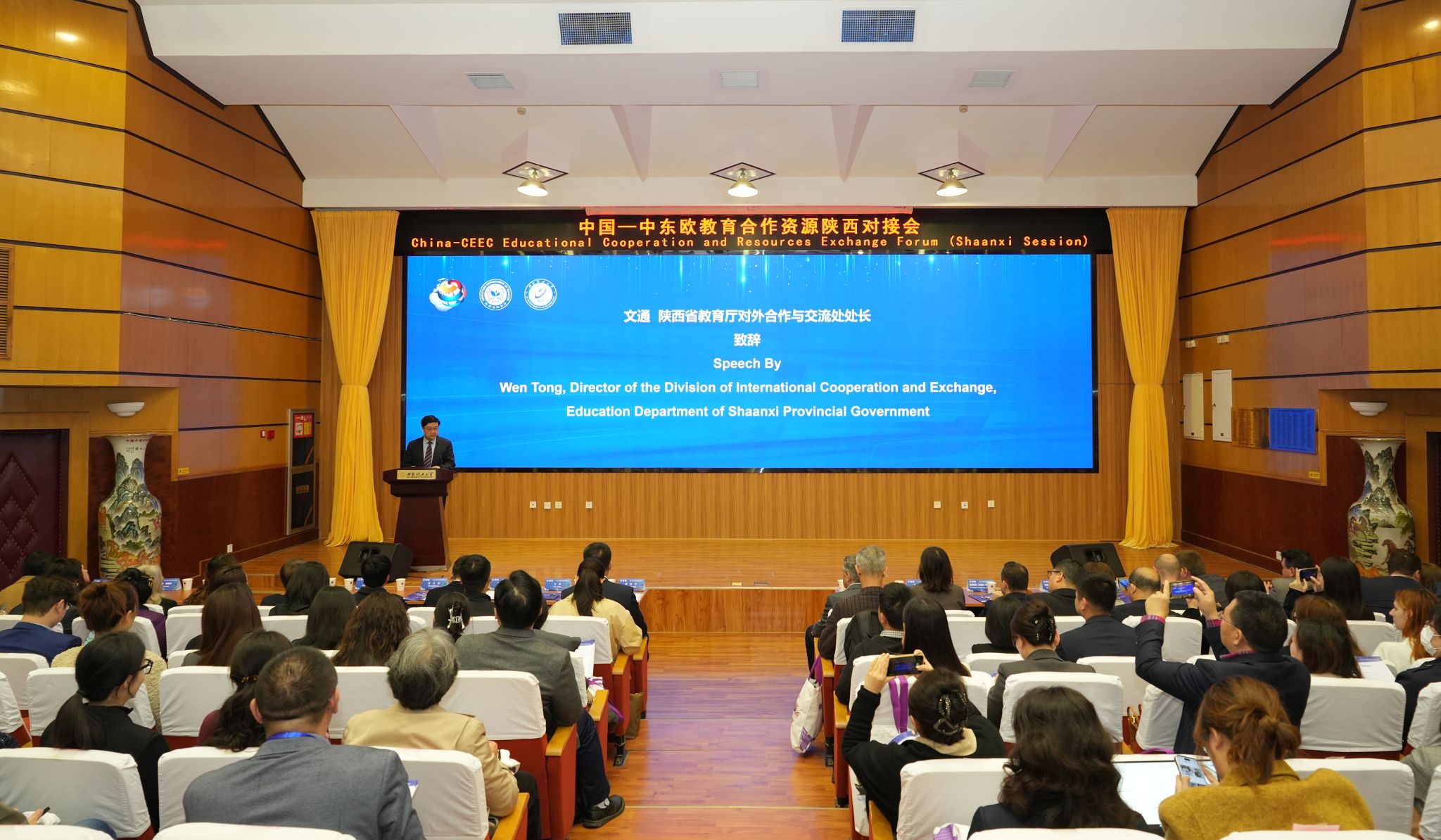
Wen Tong, Director of the Division of International Cooperation and Exchange of the Shaanxi Provincial Department of Education, highlighted that Shaanxi Province, as a major educational hub, possesses abundant scientific and educational resources and a strong foundation for international education cooperation, while Central and Eastern Europe features rich historical and cultural heritage and distinctive higher education strengths across multiple disciplines. He proposed three key expectations for future cooperation: first, to create new opportunities by fully leveraging the potential of the China–Central and Eastern Europe Higher Education Institutions Consortium mechanism and establishing diversified and sustainable cooperative partnerships; second, to build a new cooperation framework by focusing on disciplinary development through effective communication and precise alignment; and third, to establish new cooperation models by exploring joint curriculum development, platform construction, and institutional mechanisms, thereby promoting higher education cooperation between Shaanxi Province and Central and Eastern Europe to a new level.
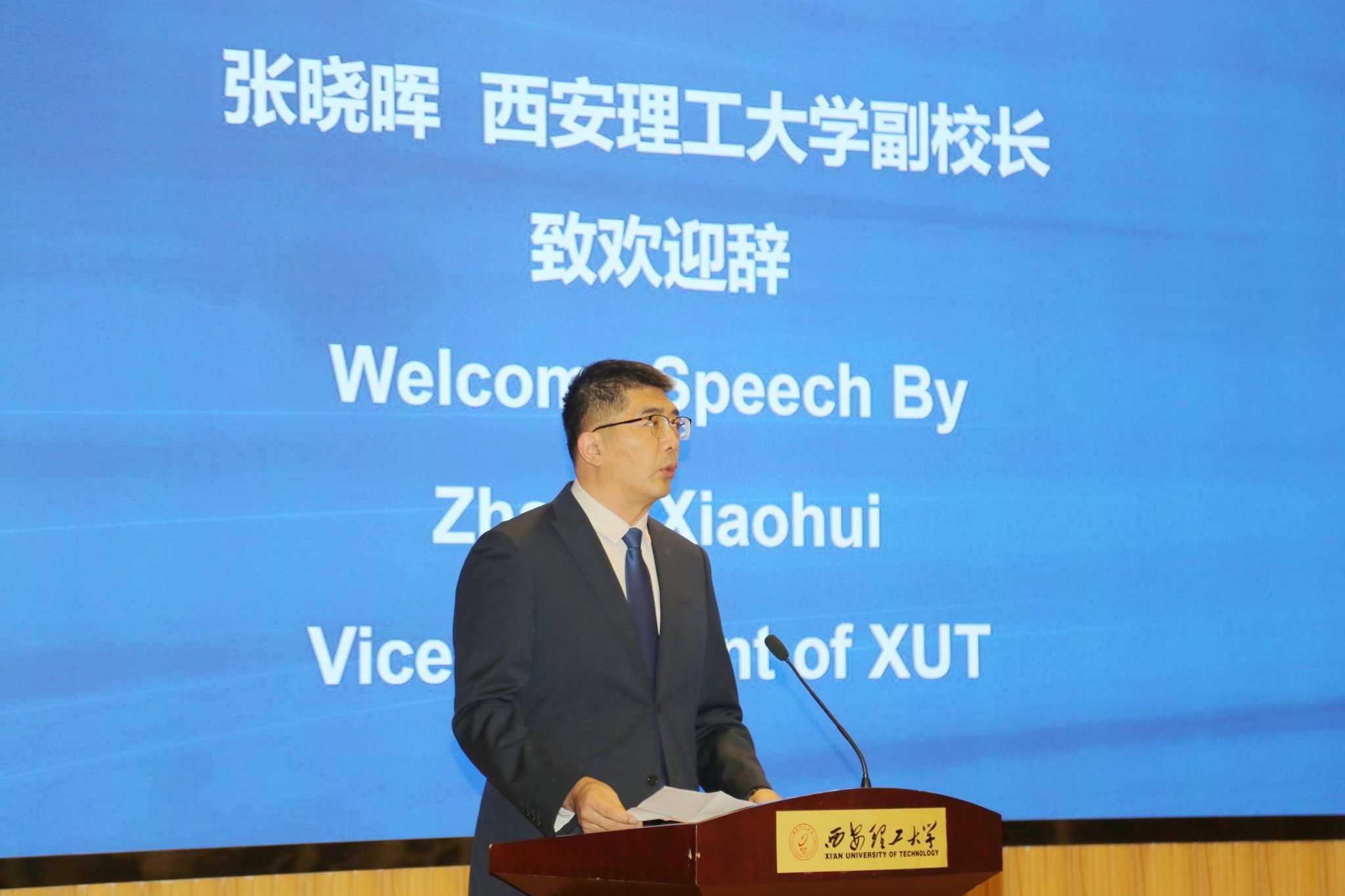
Zhang Xiaohui introduced the historical development, disciplinary structure, and international cooperation foundation of Xi’an University of Technology. He noted that despite geographical distance, China and Central and Eastern European countries share strong common ground in educational philosophy, scientific and technological innovation, and cultural exchange. As a member institution of the China–Central and Eastern Europe Higher Education Institutions Consortium, Xi’an University of Technology has established in-depth cooperation with universities in Slovenia, the Czech Republic, and Slovakia in areas such as LiDAR technology and environmental science. He expressed the expectation that the conference would serve as a starting point for future substantive cooperation and promote connectivity in high-quality educational resources.
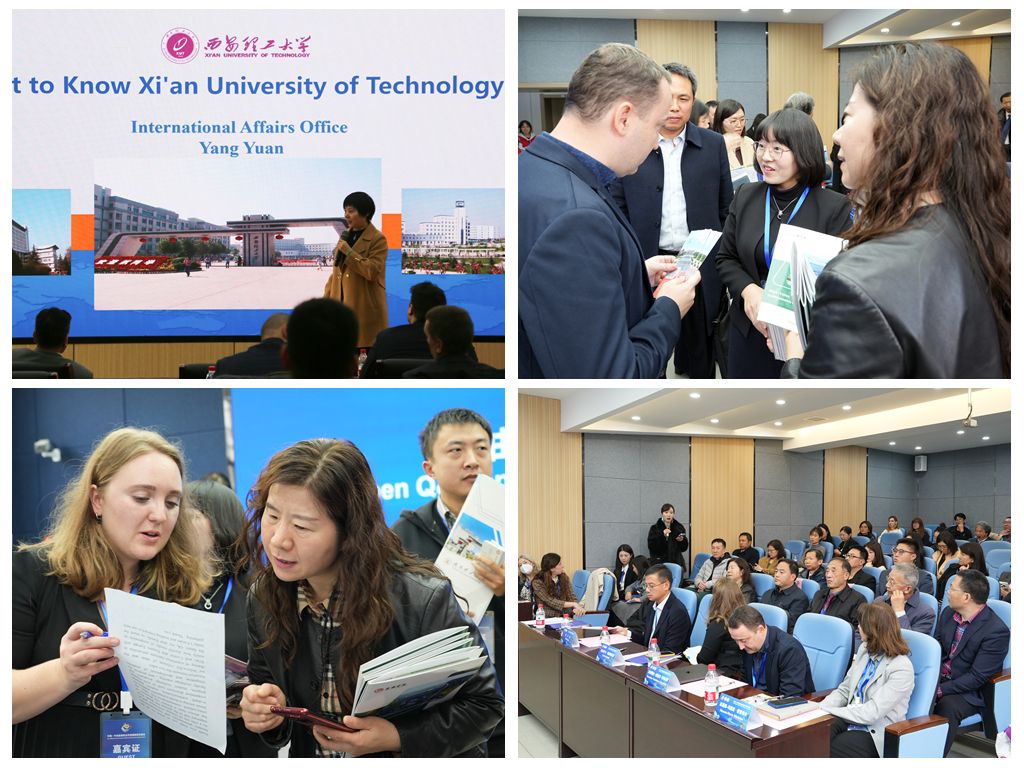
To further facilitate precise alignment of cooperation needs and institutional strengths, representatives from Chinese and foreign institutions conducted in-depth group discussions in the humanities and science and engineering fields. Institutions participating in the exchange included Trakia University (Bulgaria), the Ministry of Education of Slovenia, Singidunum University (Serbia), the University of National and World Economy (Bulgaria), Ionian University (Greece), the Valcea County School Inspectorate (Romania), the University of Novi Sad (Serbia), the University of Banja Luka (Bosnia and Herzegovina), as well as Chinese institutions such as Northwestern Polytechnical University, Xidian University, Xi’an University of Technology, Xi’an University of Finance and Economics, and Xi’an International Studies University. Participants engaged in discussions, consultations, and experience sharing based on mutual interests and cooperation intentions, creating an active and productive exchange atmosphere. The group discussions were chaired by Kang Wenxiang, Dean of the Gaoke College of Xi’an University of Technology, and Huang Ling, Deputy Director of the Office of International Cooperation and Exchange of Xi’an Engineering University.
This matchmaking conference represents an important practical initiative under the framework of the China–Central and Eastern Europe Higher Education Institutions Consortium. Through categorized institutional matchmaking, the conference effectively aligned the strengths of Chinese and foreign universities and established an efficient and pragmatic communication platform. The event not only enhanced Central and Eastern European understanding of higher education development in Shaanxi Province but also laid a solid foundation for substantive future cooperation in faculty and student exchanges, joint scientific research initiatives, and academic resource sharing.
Source: Office of International Cooperation and Exchange