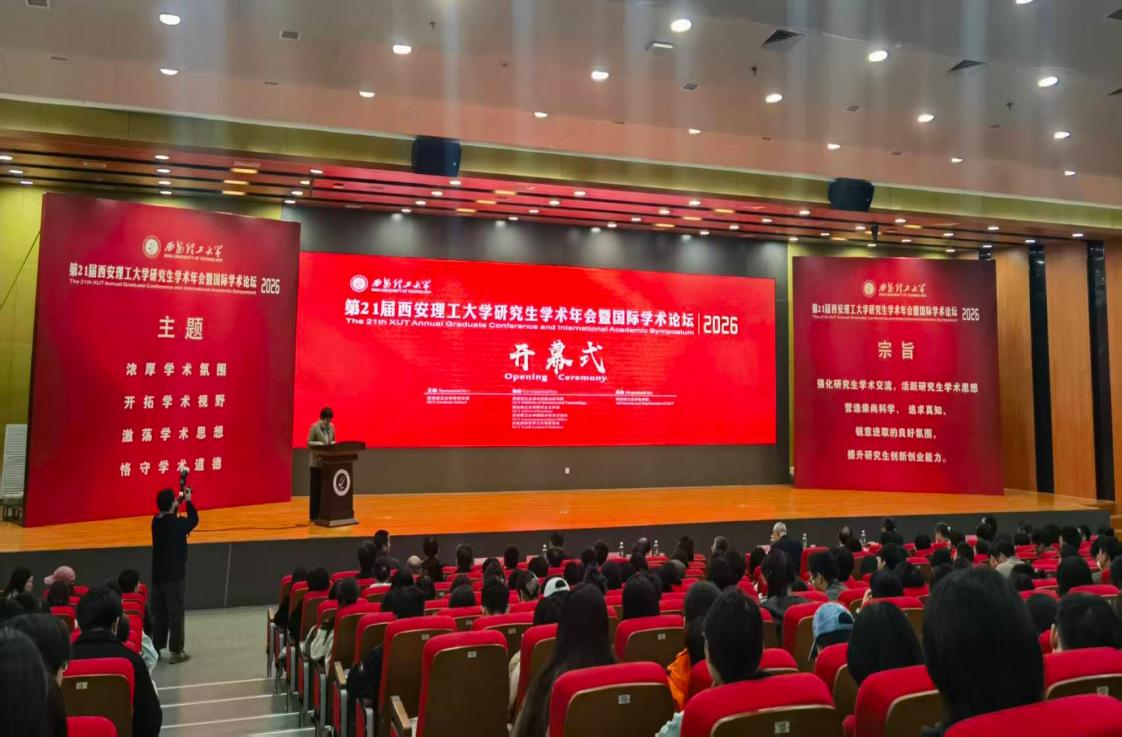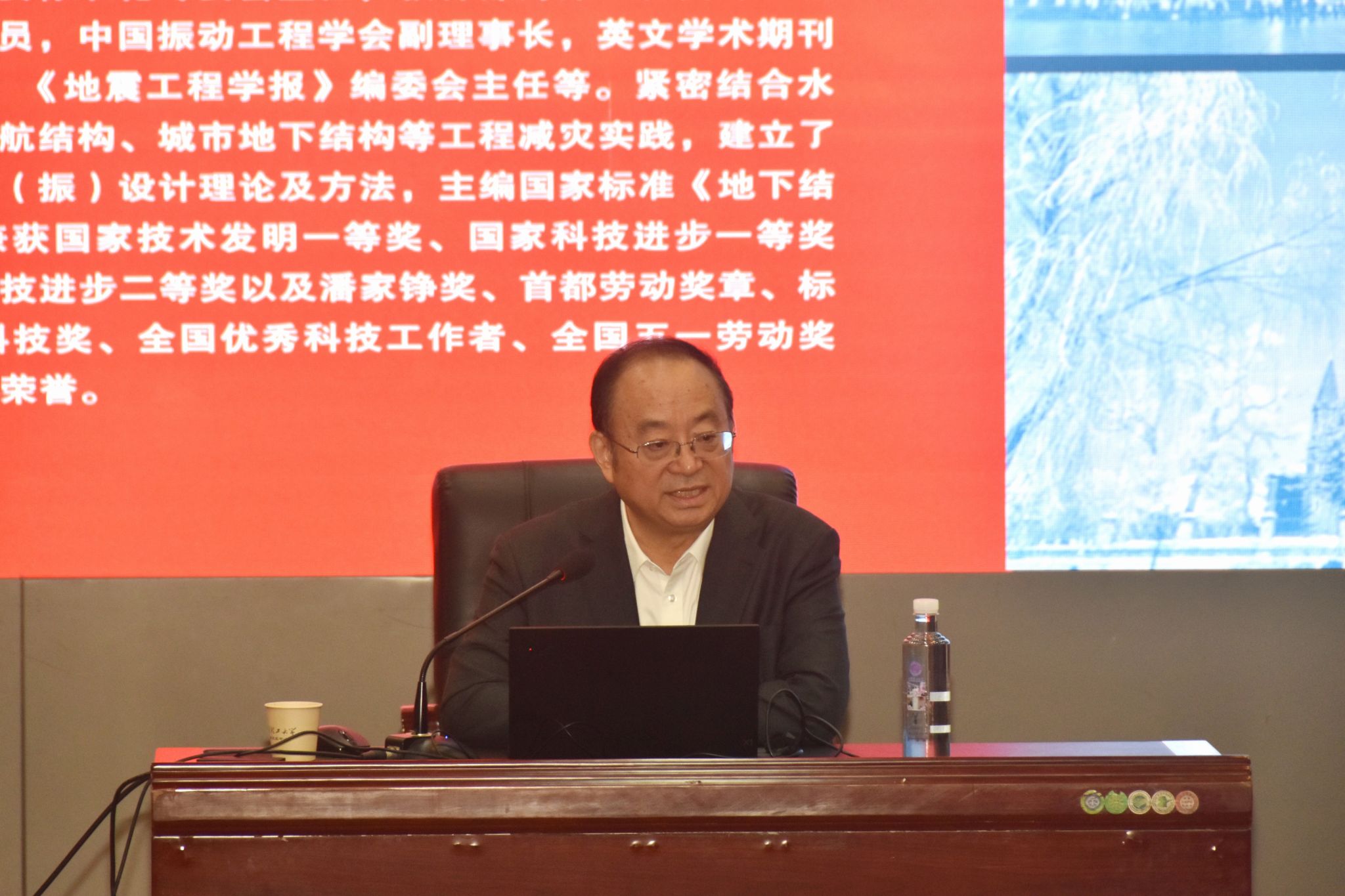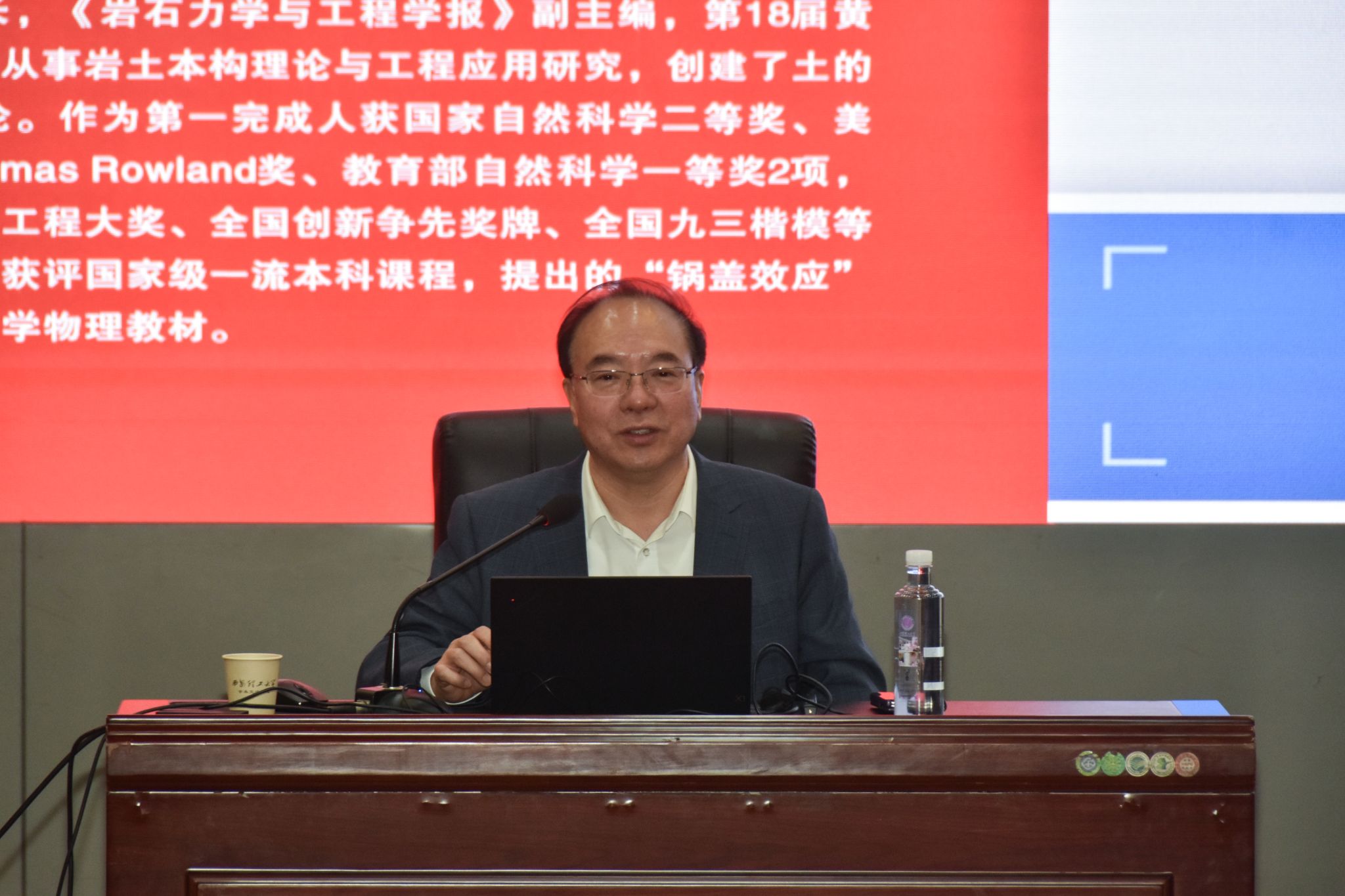
The 21st Annual Postgraduate Academic Conference and International Academic Forum of Xi’an University of Technology (XAUT) opened on November 1 at the Library Auditorium on the Qujiang Campus. Attending the opening ceremony were Zhang Jianmin, a member of the Chinese Academy of Engineering and professor at Tsinghua University; Yao Yangping, a member of the Chinese Academy of Sciences and professor at Beihang University; Cao Wenju, First-Level Inspector of the Shaanxi Association for Science and Technology; Tian Shipo, Director of its Department of Enterprise and Public Institution Affairs; He Wenlai, Director of the Division of Degree Management and Postgraduate Education of the Shaanxi Provincial Department of Education; and XAUT Party Committee Secretary Li Zhijun, President Liu Yunhe, and Vice President Zhu Jiwei. Vice President Liang Shuhua chaired the ceremony.
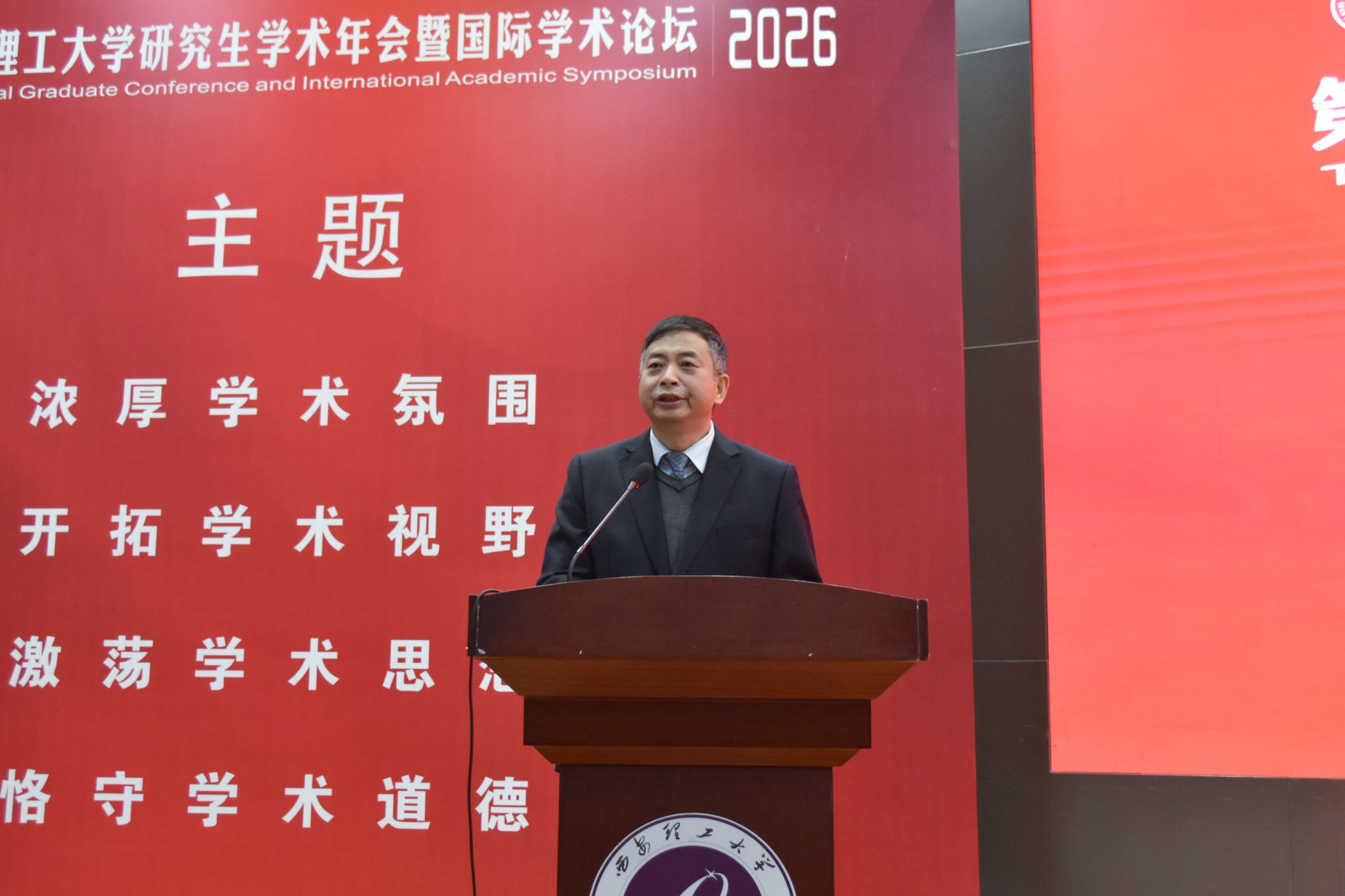
In his address, Liu Yunhe described the conference as an annual gathering for postgraduate students to present their research and exchange academic ideas. Now in its 21st edition, it has become a signature event in XAUT’s postgraduate education and an important platform for stimulating innovative thinking, fostering academic integrity and character, and promoting interdisciplinary exchange. He encouraged students to remain committed to their ideals and aspirations, pursue academic excellence, and align their research ambitions with national development priorities. He urged them to address urgent national strategic needs and explore the frontiers of science and technology, demonstrating their commitment and capabilities by tackling challenging problems.
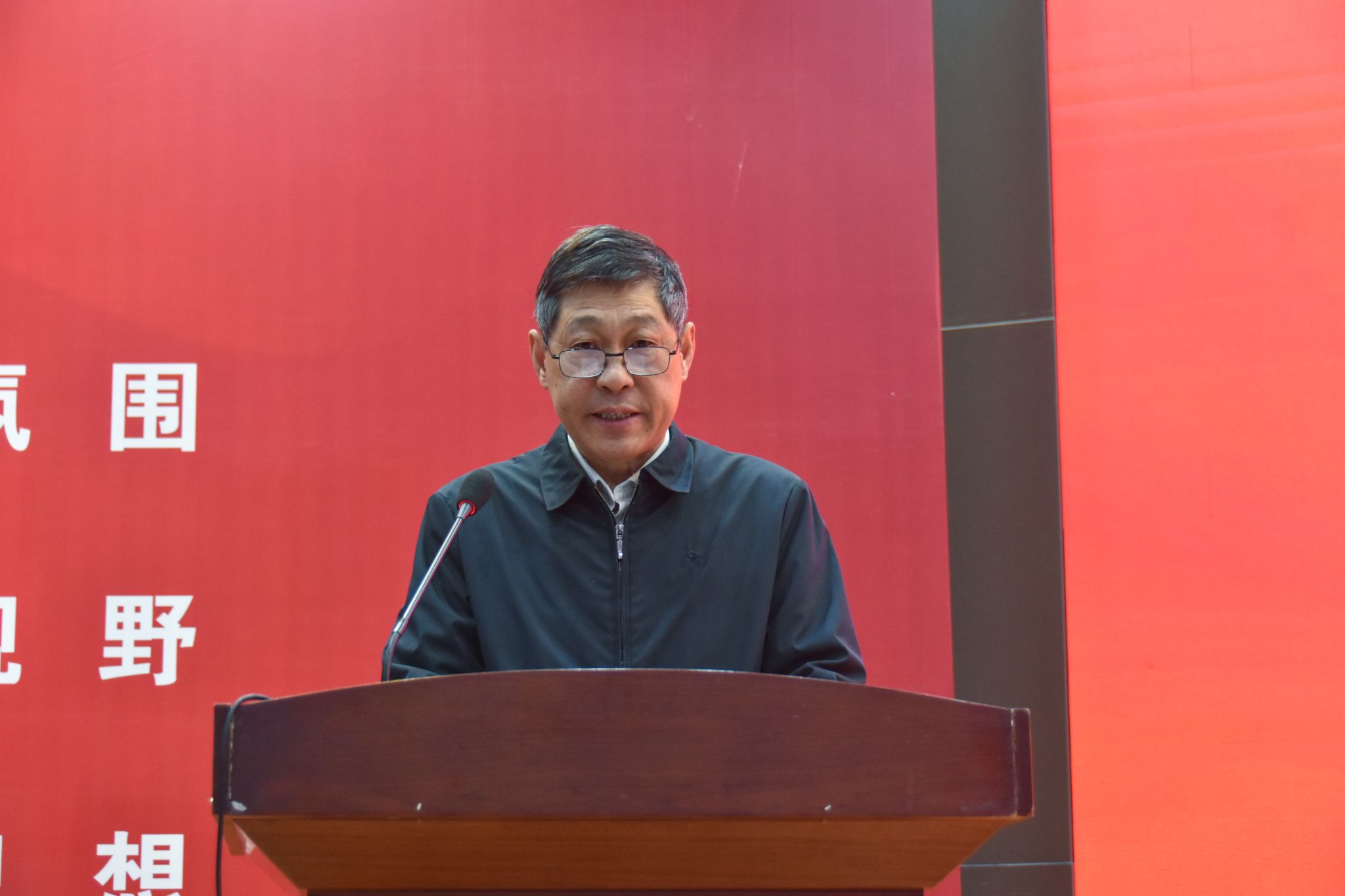
Cao Wenju commended the conference as a showcase for postgraduate students’ innovative spirit and research achievements. He highlighted its contribution to creating a supportive academic environment, strengthening international academic exchange, enhancing students’ capacity for innovation, and improving the quality of postgraduate education. He said that the Shaanxi Association for Science and Technology would make every effort to provide platforms, opportunities, and an enabling environment for young scientific and technological talent to pursue innovation. He expressed the hope that XAUT would sustain the conference over the long term and continue to build on its success.
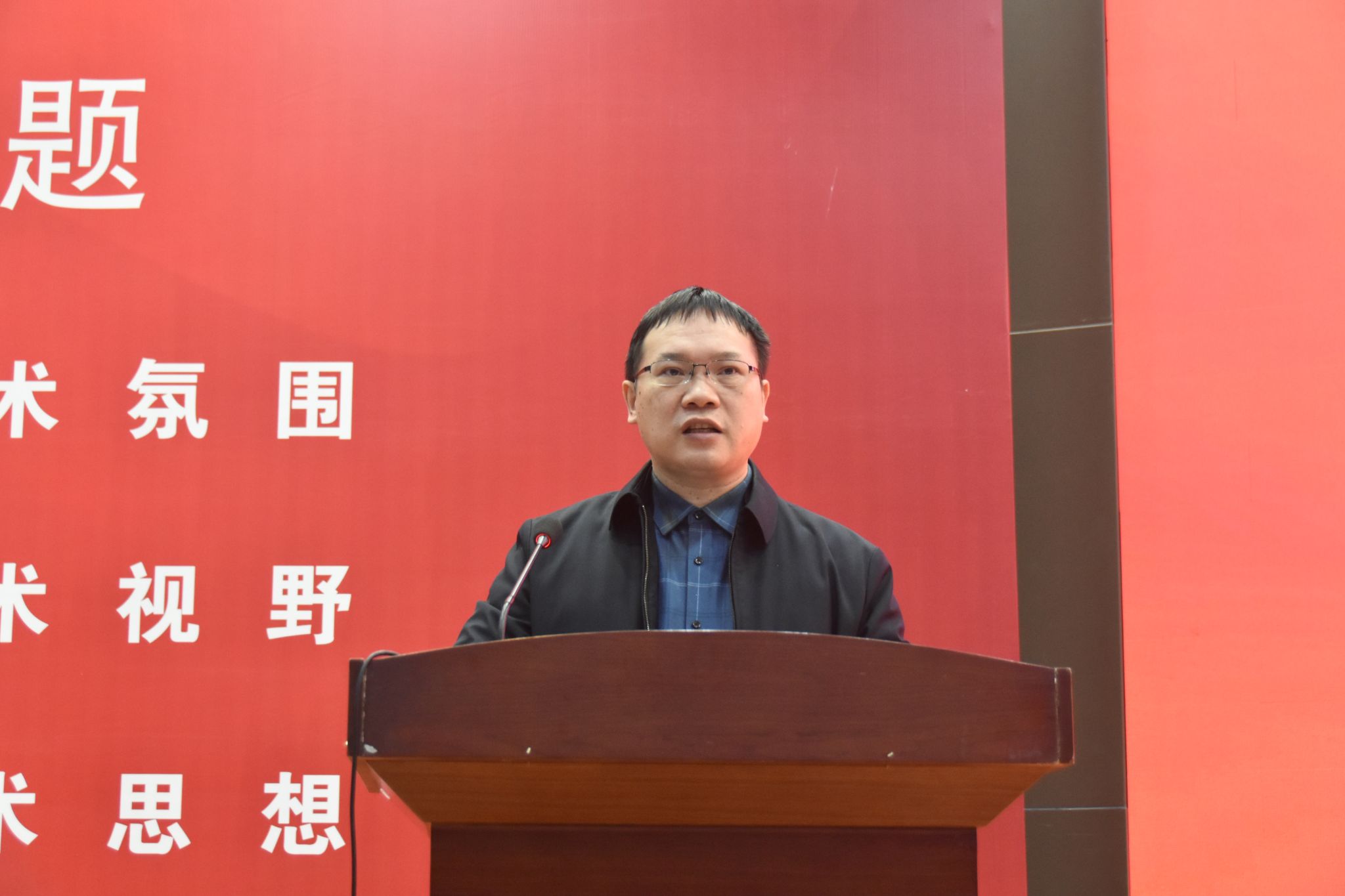
He Wenlai congratulated XAUT on the opening of the conference. He noted that 2026 marks the beginning of the 15th Five-Year Plan period and a pivotal year in advancing the development of a strong country through Chinese modernization. He encouraged the university to respond closely to national strategic needs and Shaanxi’s priorities for high-quality development, drawing on its strengths in western China while serving the country as a whole. He called for deeper integration between industry and education, stronger university–enterprise cooperation, and further exploration of integrated bachelor’s, master’s, and doctoral education and interdisciplinary development. These efforts, he said, would help cultivate more outstanding innovative talent to support high-quality manufacturing development in Shaanxi and a new pattern of large-scale development in western China.
Zhang Jianmin delivered an invited plenary lecture entitled “Implementing Broad-Based Education and Strengthening the Integration of Science and Engineering.” He explained the educational philosophy and core principles of broad-based education and presented practical approaches to restructuring education and teaching systems. He emphasized that a solid foundation in mathematics and physics, interdisciplinary thinking, and the ability to integrate knowledge for innovation are essential competencies for science and engineering graduates in the new era.
Yao Yangping delivered an invited plenary lecture entitled “The Pot-Cover Effect.” He systematically examined the phenomenon from three perspectives: fundamental theory, underlying mechanisms, and engineering applications. He encouraged students to observe carefully, engage in sustained study and reflection, and question boldly. By closely connecting theoretical learning with engineering practice, he said, they could continue to achieve breakthroughs and produce new research results.
Both Zhang Jianmin and Yao Yangping studied under Professor Xie Dingyi of XAUT’s School of Civil Engineering and Architecture. A renowned Chinese expert in soil dynamics and loess mechanics, Xie formerly served as Chair of the National Committee on Soil Dynamics. The distinction of mentoring two academy members is widely celebrated in China’s geotechnical engineering community and reflects XAUT’s strong tradition of talent development in the discipline. Based in western China, Xie devoted more than six decades to teaching and research in loess mechanics and engineering. His theoretical achievements and substantial academic contributions earned him profound respect within the profession. He is recognized as a pioneering scholar, a devoted educator, and a tireless contributor to geotechnical engineering in China.
The month-long conference is hosted by the Graduate School, with support from the Academy of Science and Technology, the Department of Postgraduate Student Affairs, the International Affairs Office, and the University Committee of the Communist Youth League. Activities are organized by XAUT’s schools and include invited plenary lectures, international academic forums, an exhibition on postgraduate education and innovative achievements, thematic lectures on research and academic planning, the Sixth Academic Exchange on Materials and Chemical Engineering, a showcase of outstanding postgraduate National Scholarship recipients, expert lectures at school-level sessions, and postgraduate research presentations. Together, these activities provide faculty and students with opportunities for academic exchange across disciplines and at multiple levels, further advancing interdisciplinary collaboration and the quality of postgraduate education.
Nearly 500 participants attended the opening ceremony, including heads of schools and relevant administrative offices, as well as postgraduate student representatives.